CN
CN
Is the non-standard bearing of agricultural machinery resistant to high temperatures
seo:http://en.xcwlbearing.com/news1084166.html date:2026/4/18 9:26:00
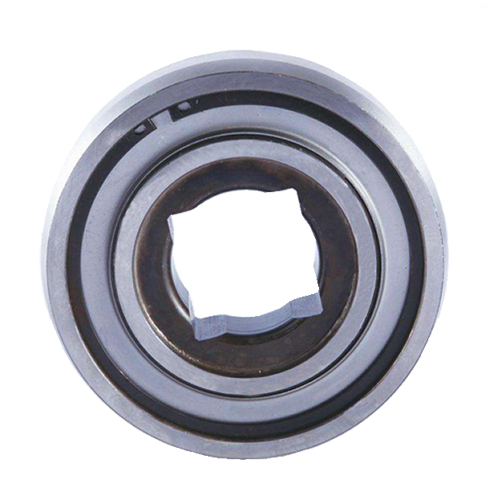
Non standard bearings for agricultural machinery have high temperature resistance characteristics. Through material optimization, structural design, and lubrication system improvement, they can operate stably in high temperature environments. The specific analysis is as follows:
1. Application of high-temperature resistant materials
Non standard bearings for agricultural machinery use heat-resistant materials such as high-temperature bearing steel or ceramic coatings, which can maintain dimensional stability and mechanical properties at high temperatures. For example:
High temperature bearing steel: Through special heat treatment processes, its stable heat treatment temperature can reach 150 ℃ or even higher, ensuring that the bearing does not deform or fail in high temperature environments.
Ceramic coating: has an extremely low coefficient of thermal expansion, which can reduce gap changes caused by high temperatures and avoid bearing jamming or increased wear.
.II. Heat resistant retaining frame and lubrication optimization
Heat resistant retaining frame material:
High temperature resistant engineering plastics such as PA66+GF30 are used, with a temperature resistance range of -40 ℃ to 150 ℃, ensuring the structural strength is maintained at high temperatures and preventing bearing failure caused by retaining frame deformation.
.High temperature lubricating grease:
Choose high-temperature resistant lubricating grease (such as biphenyl based lubricating grease), which covers a temperature range of -40 ℃ to 150 ℃, or even higher.
. This type of grease is not easily lost at high temperatures and can provide continuous lubrication, reducing friction and wear.III. Structural Optimization and Heat Dissipation Design
Increasing Roller Diameter and Full Load Structure:
By optimizing the raceway curvature and adopting a full load roller structure, the bearing's load-bearing capacity is enhanced while improving heat dissipation performance.
. For example, the plow shaft bearings of the deep loosening machine can stably withstand heavy load impacts through non-standard design, reducing material fatigue caused by high temperatures.Integrated lubrication channel:
Some high-end non-standard bearings have built-in lubrication channels, which can achieve continuous supply of lubricating grease, reduce friction coefficient (μ ≤ 0.05), and reduce heat generation.
. For example, the bearings of a grain dryer can operate continuously at high temperatures without failure through non-standard temperature resistant design.Fourth, Application Scenario Verification
High Temperature Operating Agricultural Machinery:
In high-temperature components such as tractor engines and transmissions, non-standard bearings are designed to withstand high temperatures, ensuring normal operation in environments ≥ 40 ℃ and avoiding grease failure or material deformation.
. Extreme environmental testing: Experimental data shows that non-standard bearings with ceramic coatings or high-temperature bearing steel can maintain the surface hardness of HRC58-62 and improve their pitting resistance by more than 30% after continuous operation for 500 hours at 150 ℃.Fifth, Advantages of Comparing Standard Bearings
The temperature tolerance range of standard bearings is usually -40 ℃ to+120 ℃, while non-standard bearings for agricultural machinery have increased their temperature tolerance limit to 150 ℃ or even higher through material upgrades and structural optimization.
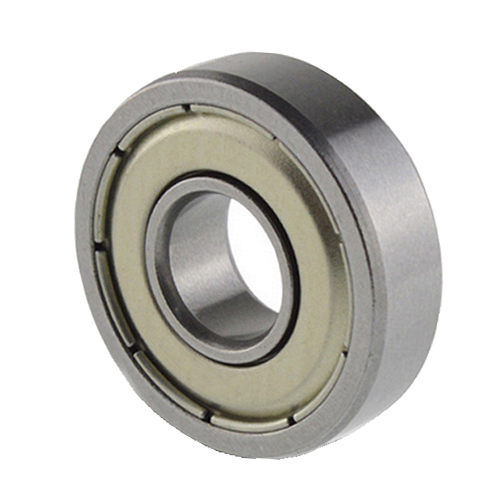
. For example:Deep groove ball bearings: The standard type has a temperature resistance of 120 ℃, while the non-standard type has a temperature resistance of up to 150 ℃ through fluororubber sealing and high-temperature grease.
Conical roller bearings: The standard type has a temperature resistance of 150 ℃, while the non-standard type uses ceramic coating and full load structure, with a temperature resistance of up to 200 ℃.
.

 Phone:
 Address:No. 100, Nanmenwai, Nanming Street, Xinchang County, Shaoxing City, Zhejiang Province