CN
CN
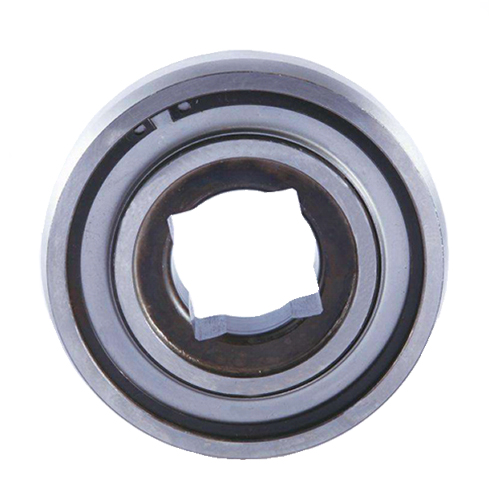
Usage of non-standard agricultural machinery bearings
seo:http://en.xcwlbearing.com/news1082321.html date:2026/1/12 13:20:00
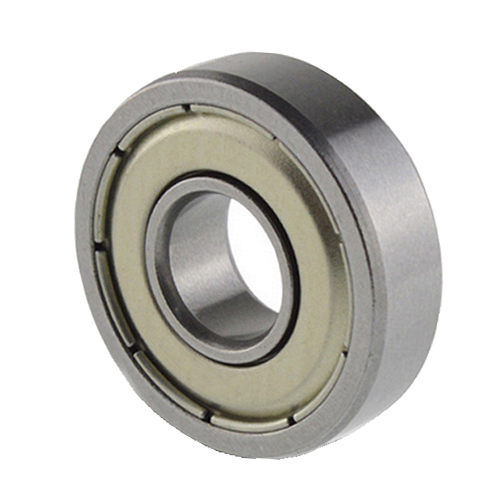
Non standard agricultural machinery bearings are customized and produced according to the special working conditions, dimensions, or functional requirements of agricultural machinery. Their usage methods cover multiple aspects such as installation, lubrication, maintenance, and disassembly, as follows:
Installation
Environment preparation: Operate in a dry and clean environment, away from equipment that produces metal debris and dust, and prevent impurities from entering the interior of the bearing.
Component inspection: Carefully inspect the mating surface of the shaft and housing, the end face of the shoulder, the groove, and the processing quality of the connecting surface to ensure that there are no burrs or impurities.
.Cleaning treatment: Clean the bearings with gasoline or kerosene, and use them after drying.
. At the same time, clean the surfaces of the shaft neck, bearing seat housing holes, shoulder end faces, and mating surfaces of connecting parts, and remove rust layers, debris, sand particles, dust, and dirt and other attachments.Installation method:
Depending on the type and size of the bearing, choose mechanical, heating, or hydraulic methods for installation.
. For small bearings that do not fit too tightly, cold installation methods such as using sleeves and hammering can be used, but care should be taken to avoid directly tapping the bearing end face. For larger bearings, the hot installation method is usually used to heat the bearing or bearing seat to an appropriate temperature (80 ℃ -120 ℃), and then quickly install it. When heating, the bearing or separable bearing ring can be placed in a clean oil tank to submerge the bearing with oil and evenly heat it. The fuel tank can be made of 2-3mm thick iron plate, and a porous iron plate can be added at a height of 50-70mm from the bottom of the tank. The bearings are heated on the porous iron plate to prevent impurities from settling in the oil from entering the bearings. During installation, equal pressure must be applied on the circumference of the end face of the ring to press it in, avoiding excessive or insufficient interference during installation and ensuring the correct fit between the bearing and the shaft and bearing seat. After installation, the rotational flexibility of the bearings should be checked to ensure that there are no abnormal sounds or vibrations.Lubrication
Lubricating grease selection: Choose the appropriate lubricating grease based on the type of bearing and usage conditions, such as those with superior performance such as impurity free, anti-oxidation, rust proof, and extreme pressure.
. It is recommended to use synthetic lubricating grease in high-temperature environments.Lubricating grease filling amount: The lubricating grease filling amount is generally 30% -60% of the bearing and bearing housing volume, and should not be too much or too little.
. Lubrication cycle: For newly put into use water pump bearings, the lubricating grease must be replaced after 100 hours of operation, and then every 500 hours of operation thereafter. For flow bearings lubricated with grease, the grease should be replaced after 1500 hours of operation. Thoroughly clean the bearings after the busy farming season, check the elasticity of the sealing rings, and replace hardened or cracked seals. Supplement lubricating grease every 500 hours, reducing the time to 200 hours in high temperature or dusty environments. MaintenanceRegular inspection: Regularly check the operation of bearings, including noise, vibration, and temperature.
. The temperature of the bearing during operation should not exceed 80 ℃. If there is abnormal heating, the machine should be stopped to check lubrication or clearance. If any abnormalities are found, the machine should be stopped in a timely manner for inspection and replacement of damaged bearings.Cleaning and maintenance: Keep the bearings and installation areas clean to avoid the intrusion of dust and impurities.
. Regularly lubricate and maintain bearings to extend their service life.Disassembly
Selection of disassembly tools: Choose appropriate disassembly tools to avoid damaging bearings and shafts.
. For bearings with interference fit, a tensioner or other specialized tool should be used for disassembly.Disassembly method: Avoid transmitting disassembly force through rolling elements to prevent damage to rolling elements and raceways.
. During the disassembly process, it is necessary to maintain a stable and even force application to avoid impact and vibration.Inspection after disassembly: After disassembly, the wear of the bearing should be checked and replaced or repaired as needed.
.

 Phone:
 Address:No. 100, Nanmenwai, Nanming Street, Xinchang County, Shaoxing City, Zhejiang Province